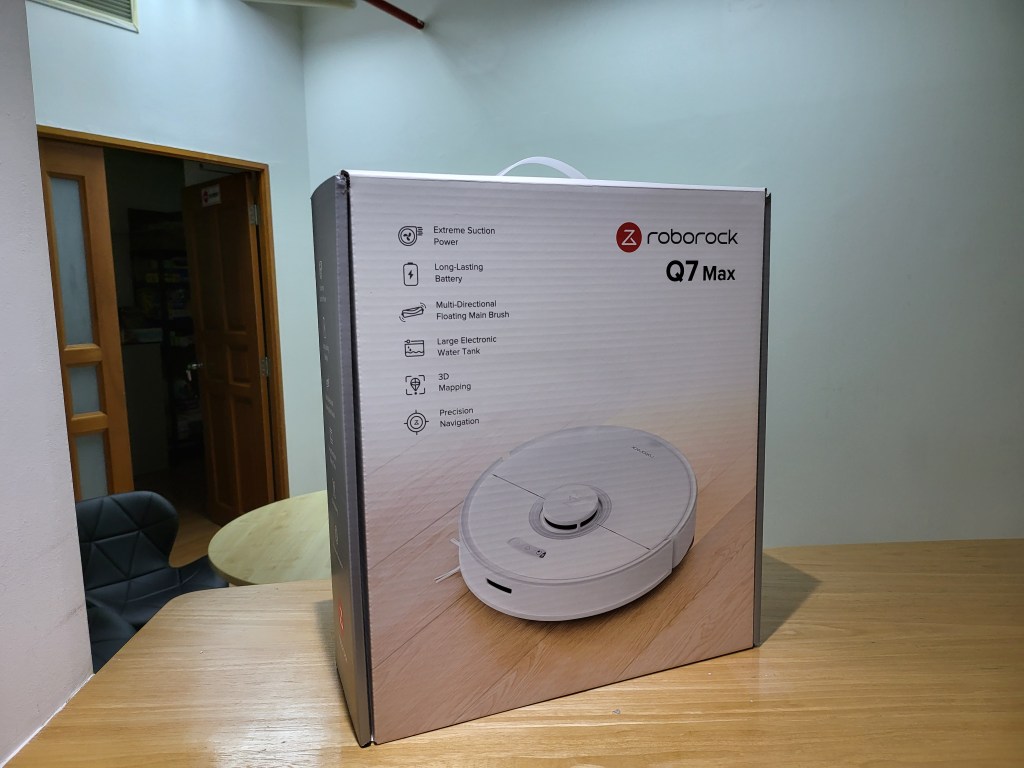
Why did Roborock release an ever-so-slightly cheaper mid-range option to its robovacuum line up?
A quick look on the official shop pages on Lazada and you’ll see that the new mid-range Roborock Q7 is listing at its sale price of $650 (“U.P. $799”), while its better-teched better-mopper older sibling the S7 is listing at $700 (“U.P. $1299”). Weird.

That’s what I initially thought when I opened up the Q7. Apart from that head-scratcher, everything else is pretty similar, almost identical. The way the box opens up conveniently, unfolding all its contents, pretty much plug-and-play straight from the box. Plug-and-play is what I really like, so much so that I again don’t bother to read the instruction manual that the robot vacuum comes with. I almost feel bad for the tons of hours the writers and designer put in to it. Although kudos to the engineers, for making something so intricate need so little.
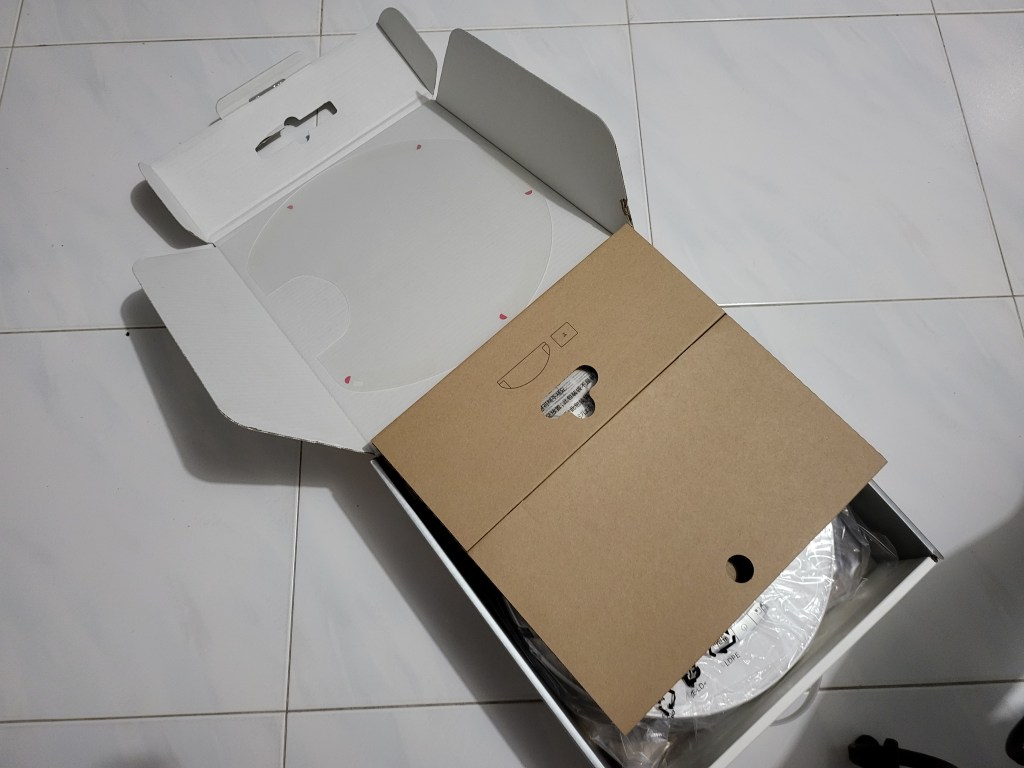
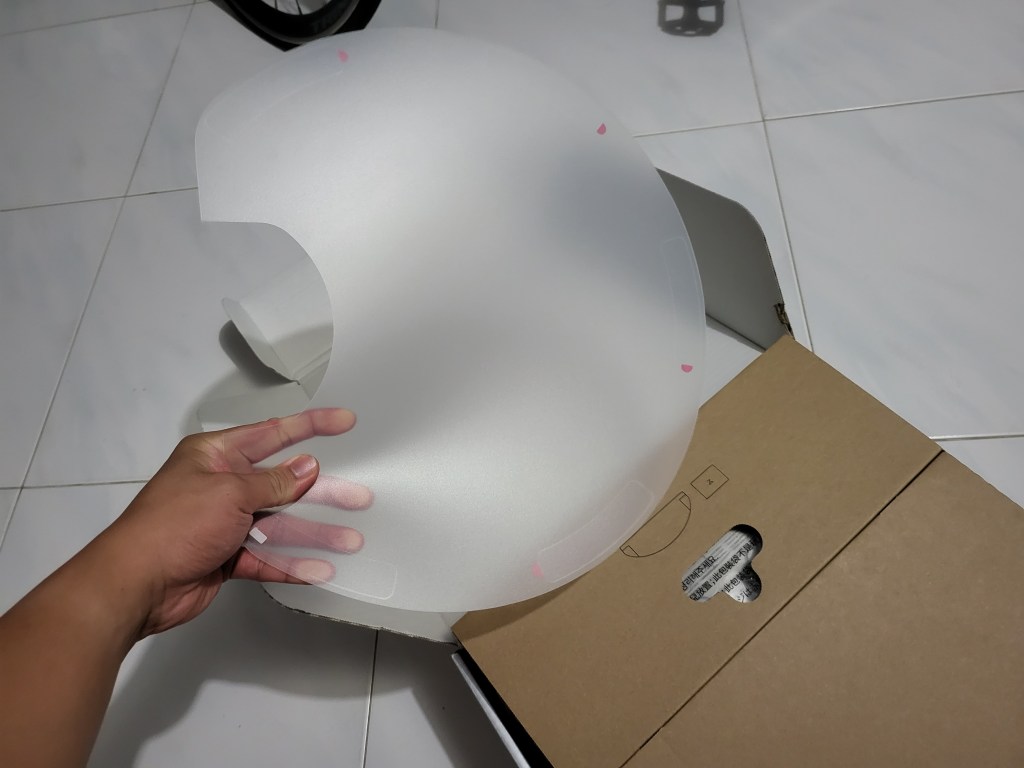
Much like how I didn’t bother to read the contents of the manual, from the items, you can start to see the differences that comes between the Q7 and the S7. For instance, the floor-mopping module, looks to return to the simplicity of the S5.

Which is one drawback of the Q7 from the S7. The Q7 does not have the VibraRise mopping system of the S7. VibraRise is Roborock’s fancy name for its scrubbing technology on the bottom of the S7. The S5 returns to a drag-like mopping tool of the S5. Though it seems like there are 2 new holes to allow for better wetting of the mop cloth, which was not present on the S5. Roborock says that the 350ml water tank can mop up to 240 sqm (or over 2,500 square feet.)
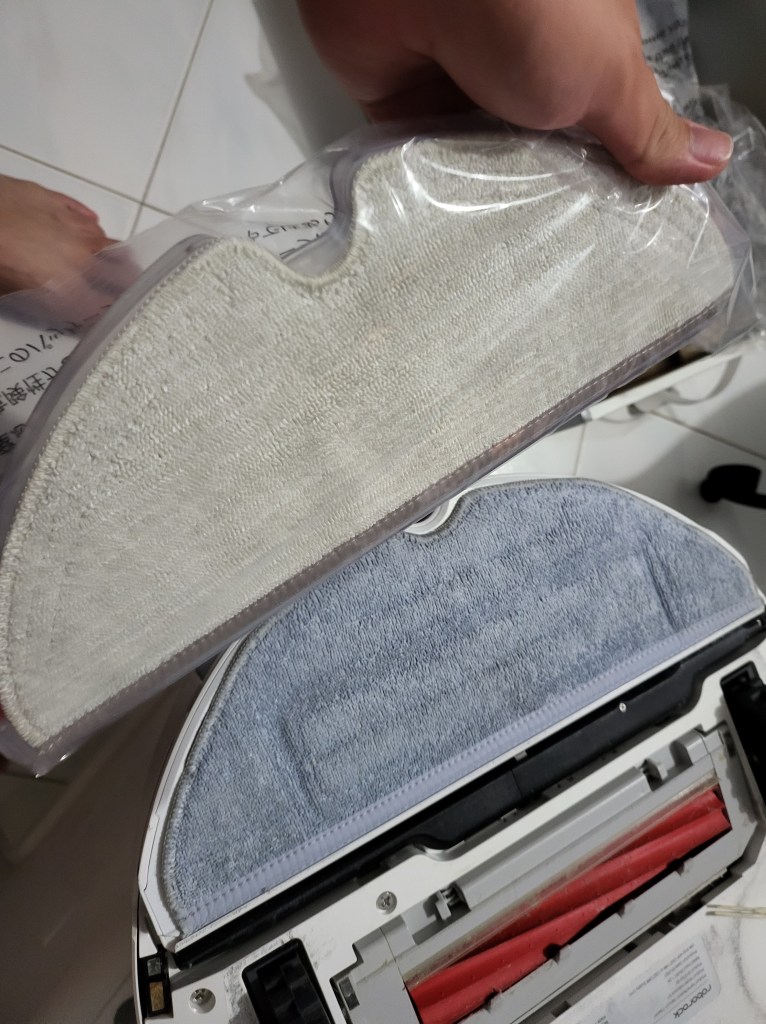
Make no mistake, the Q7’s mopping is nowhere near as intense as the S7’s as evidenced by the dirt on the mop you’ll see after running each. The VibraRise of the S7 is unmistakably the champ here. This is where the mid-range capabilities of the Q7 pale in comparison to its S7 sibling, but it’ll do. Honestly, it still leaves a feeling of a pleasantly clean floor, but it’s just that the S7’s is better.


Apart from the mopping module, the Q7 also features a different dust bin + water tank setup; The S7 featured 2 individual parts, one for each, while the Q7 combines both the dust bin and the water tank into a single (separated of course) unit. To be honest I’m not sure if I like this or not, on the one hand, you wont have to make 2 trips, but they also feel like they are very different-serving functions, to benefit from having them together. For instance I might not need to dump out my garbage and fill up the water tank at the same time, and having it together might have just added to its usage weirdly. Another point to add is that I don’t feel totally at ease with having bits of dust and hair that come with the dust bin opening near a place where I’d like to fill water with.

Apart from that, both vacuums look similar, but the Q7 is slightly muted in appearance in comparison, as if to match its less colourful capabilities. the Q7 is also slightly smaller.

The charging docks are the same, so I didn’t bother changing it out, though I did use the floor pad that the Q7 came with. It just seemed nicer to have a dedicated floor pad for the Q7. The floor pad came with double-sided tape mounts already taped on, so putting on the floor pad was just having to remove the sticky covers.
Apart from the mop, the vacuuming hardware looks to be the same as the one on the S7. Same black wheels for moving about, a small black steering wheel in front, and the same 5-spoke brush that sweeps dirt into the centre for vacuuming.
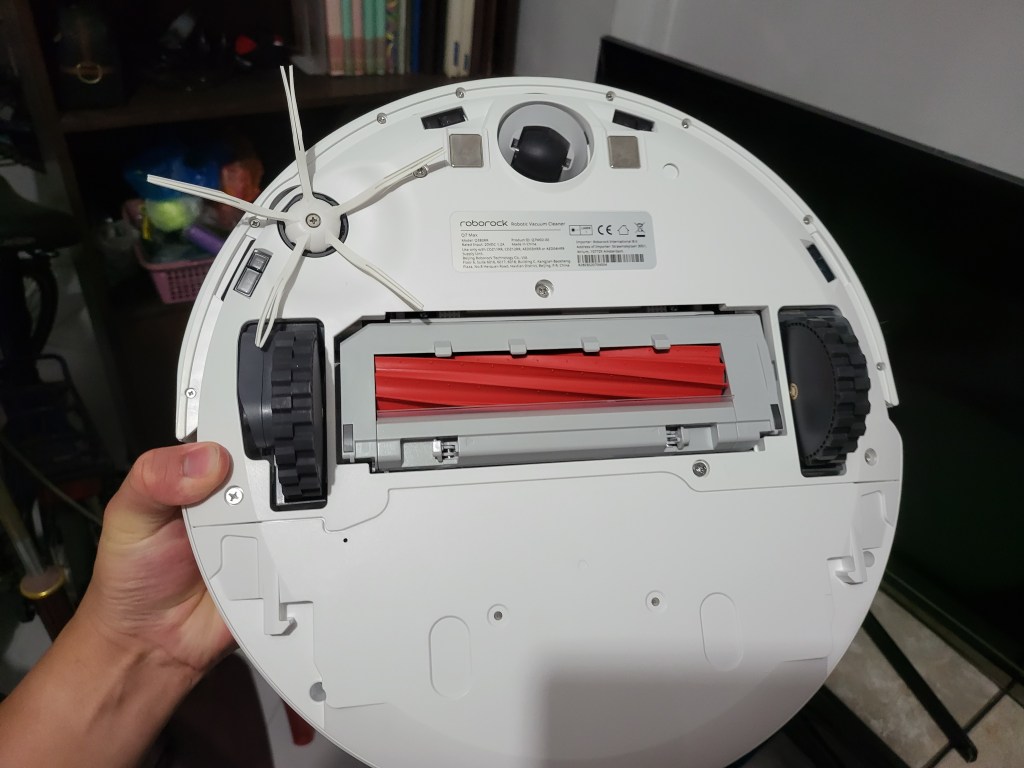
From the S7, I find that having the rotating rubber brush is a godsend. Having used conventional vacuums before, that generate a hellish amount of noise, a function like the rolling brush greatly amplifies the amount of power needed to pick dirt and other particles up from the floor, similar to the rolling brush found in Dyson vacuums.

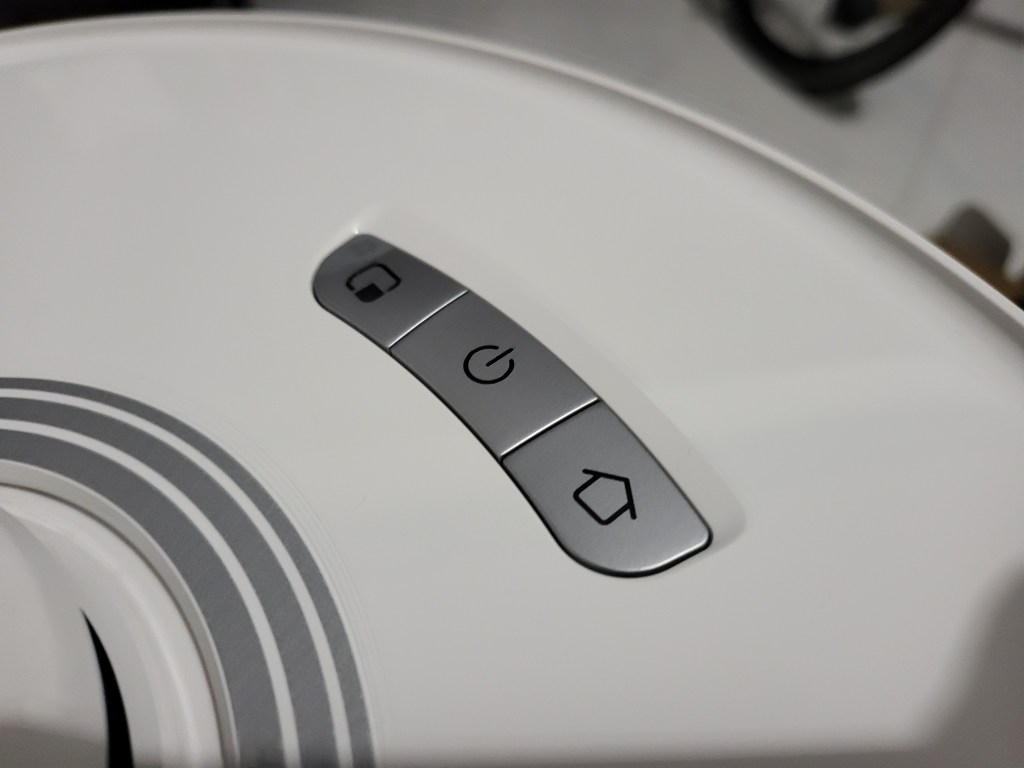
Setting up the Q7 was still as simple, especially so since I already have the MiHome app installed for my other Roborock vacuums. From the app, select the option to add a new device, and all instructions will be prompted from the app, such as how to hold down the 2 buttons on the vacuum to initiate its WiFi connection. The app already auto-detected the un-connected Q7, prompting a request to connect.

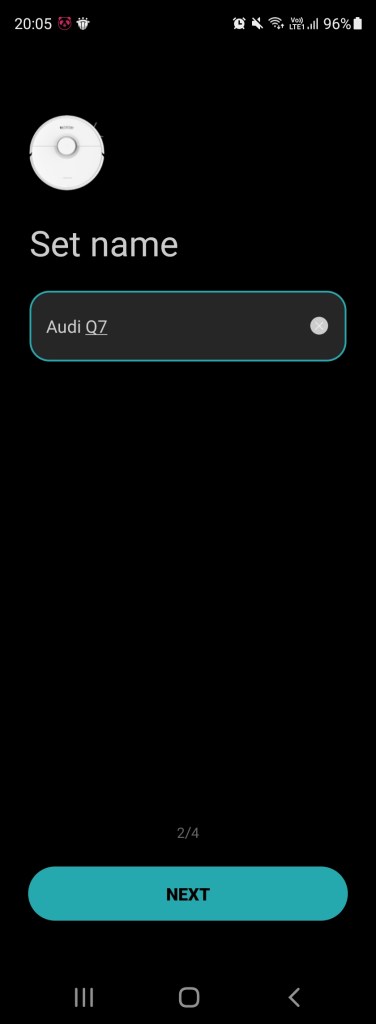

Once connected, you’ll see many more functionalities of the Q7 and stats. Depending on your preference, you can set its suction power (and loudness), as well as how much of its water flows through the mop.

According to Roborock, the Q7’s maximum suction power is 4,200 pa, which is a lot more than the S7’s 2,500 pa. Choosing the maximum suction power does result in higher noise, but even around my cats, it is not to an unbearable level. Unless running the vacuum late at night, I usually leave it on maximum power and am fine doing work with it running. In the night, you can set the ‘quiet mode’ on from the app, which significantly reduces the noise made by the vacuum, which is very useful if you want to be a considerate housemate.
In comparison to the S7, it does feel like the Q7 kicks up more air as it vacuums, and it does sound a lot stronger, not just in the noise that it creates, but it sounds like a lot more air is being vacuumed through at any one point. Though honestly, the S7 has never failed to pick up dirt and dust on the floor, from stray hairs and dust, to cardboard pieces, so I can’t say much else to the efficacy of the stronger vacuum, other than that it is more than enough. In fact, it will pick up any stray item you leave around it with no problem.
Similarly with the S7, the vacuum’s app connectivity amplifies the usefulness of the internet-connected robot vacuum. From reading error messages to vacuum power-tinkering, to scheduled cleaning, the Q7 excels in being an appliance that drastically improves your quality-of-life. With is 5,200 mAh battery, Roborock says the Q7 can clean in “balanced mode” (not maximum power setting) for up to 3 hours on a single charge. Unless you live in a mansion, I find it’s hard to exhaust that amount of battery life and that it’s always more than enough, even as I like to run the mop multiple times after the first one or two vacuum cycles.
The software portions are largely the same, with a scanned map being available after the vacuum runs with its LIDAR for the first time. Once scanned, setting up no-go zones or no-mop zones from the app is really simple.
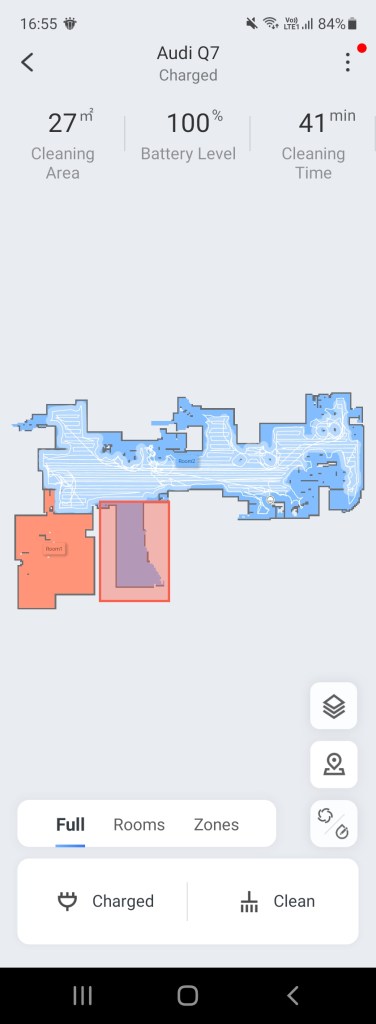
Overall, the Q7 is a more-than-capable home upgrade, but it begs the question, Q7 or S7? A Q7 doesn’t save you that much over the S7, but yet it’s mid-range offering still brings some edges over it’s top-range sibling.
If you’re looking to save a few bucks, perhaps the Q7 would be the better choice, with its stronger vacuum capabilities, but if you’re willing to splurge (just ever-so-slightly more), then a floor-scrubbing mop is well worth the price difference too.


 eat drive tech
Leave a reply to Dyad Pro: Roborock’s Wet-dry Floor Washer – eat drive tech Cancel reply