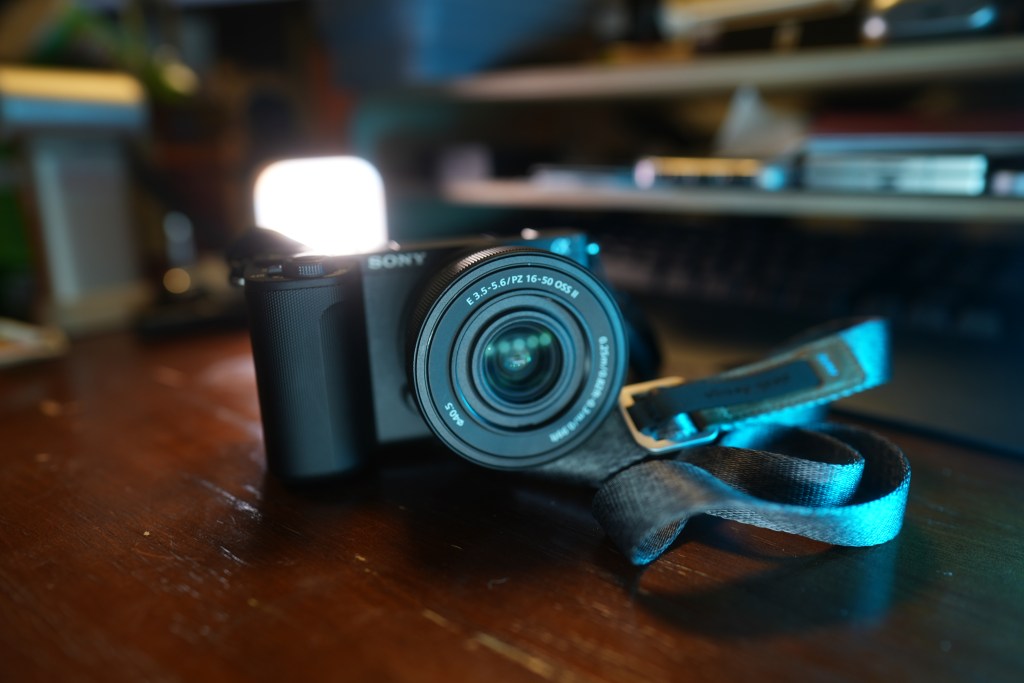
Sony’s ZV series has become synonymous with vlogging and content creation, catering to both newcomers and seasoned creators. For those new to the lineup, here’s a quick rundown: the ZV-1 is Sony’s compact, all-in-one vlogging camera; the ZV-E10 is their entry-level APS-C mirrorless camera with interchangeable lenses; and the ZV-E1 is the high-end full-frame model, boasting professional features like 4:2:2 10-bit color and 4K at 120fps.

As a current user of the ZV-E1, I’ve been highly satisfied with its vibrant colors and smooth slow-motion shots, though its tendency to overheat can be a bit of a hassle. Before the ZV-E1, I used the ZV-E10—a great starting point for creators, but the performance gap between the E10 and E1 was significant enough for me to upgrade. Now, with the release of the ZV-E10 II, Sony has piqued my interest once again.
Exterior and Design

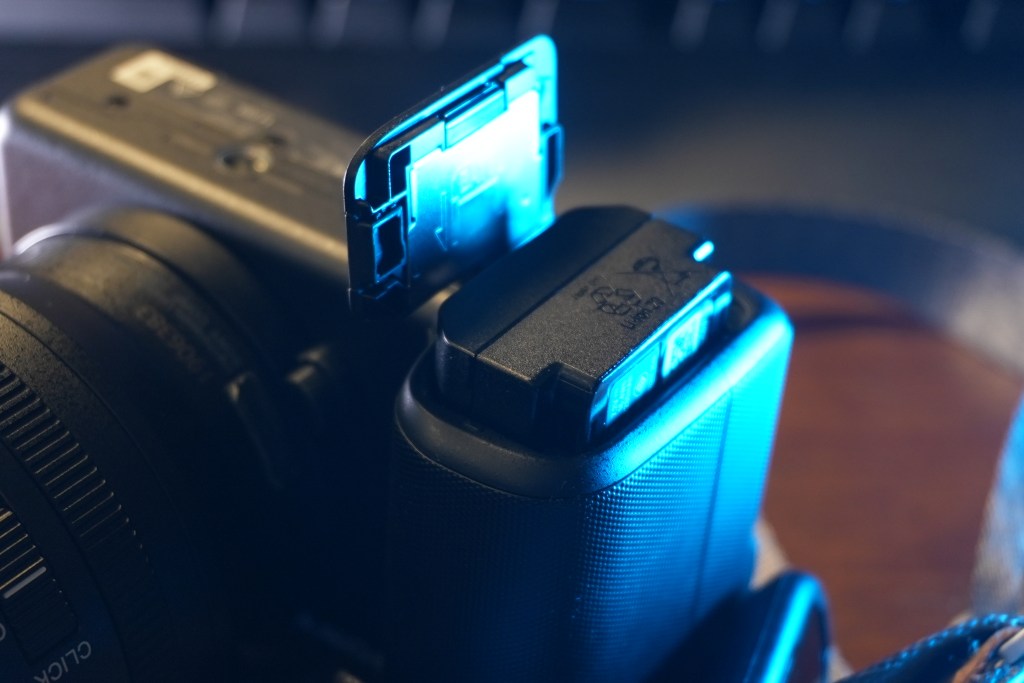
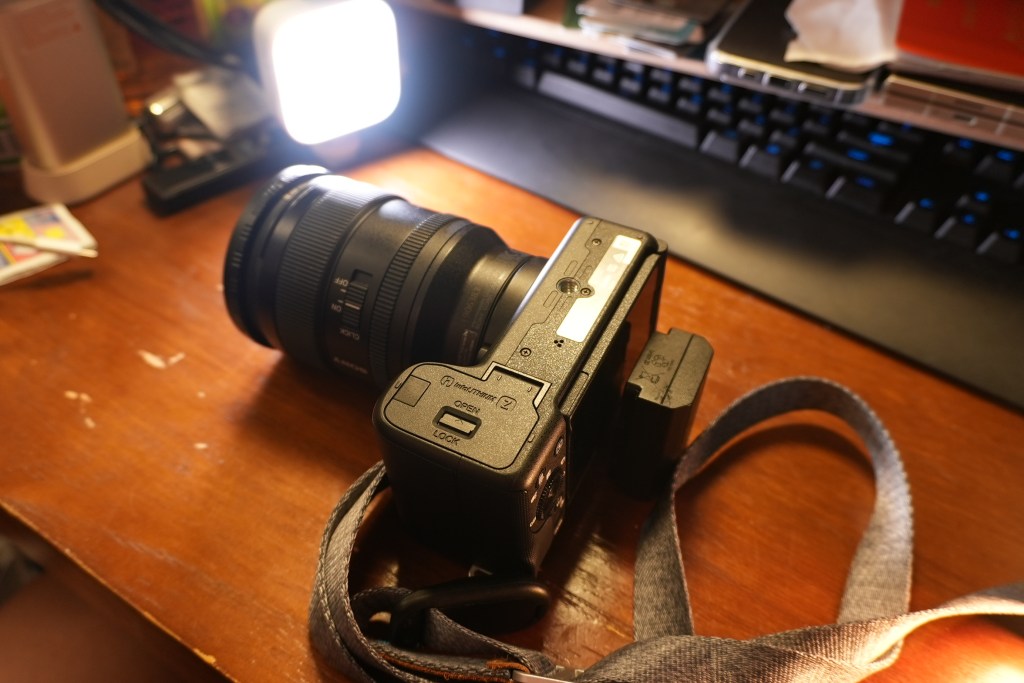
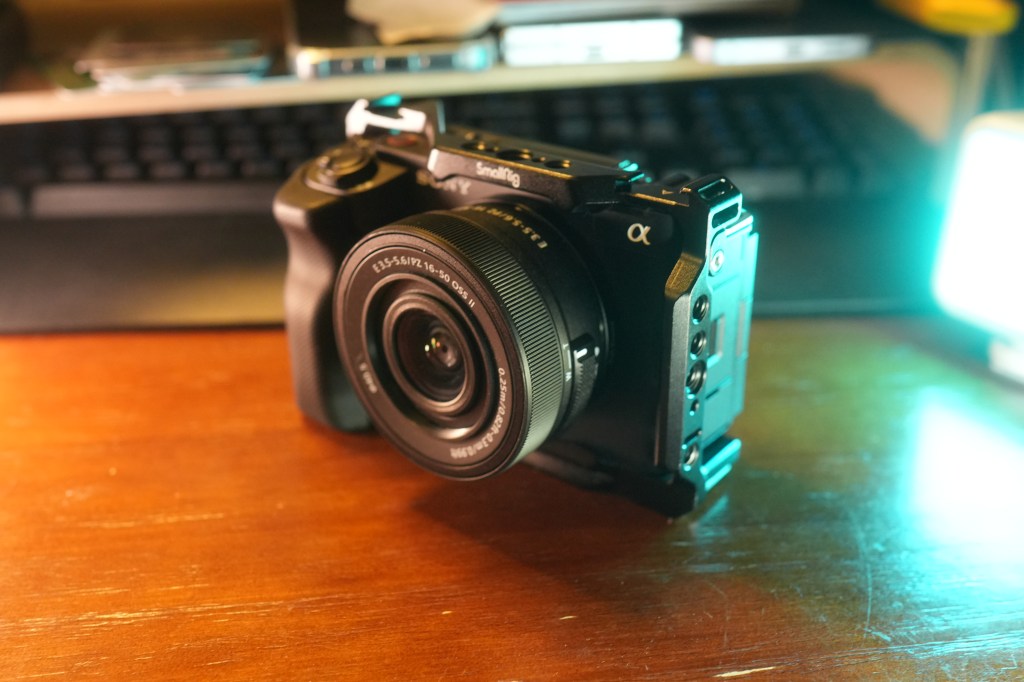
Unboxing the ZV-E10 II, it’s clear that Sony has made some thoughtful tweaks while retaining the familiar form factor of its predecessor. It’s slightly larger, but still remarkably compact and easy to handle. The grip has been thickened, reminiscent of using a ZV-E10 Gen 1 with a SmallRig cage attached, thanks to the shift to the NP-FZ100 battery. This change is especially welcome, as the previous generation’s battery life left much to be desired.
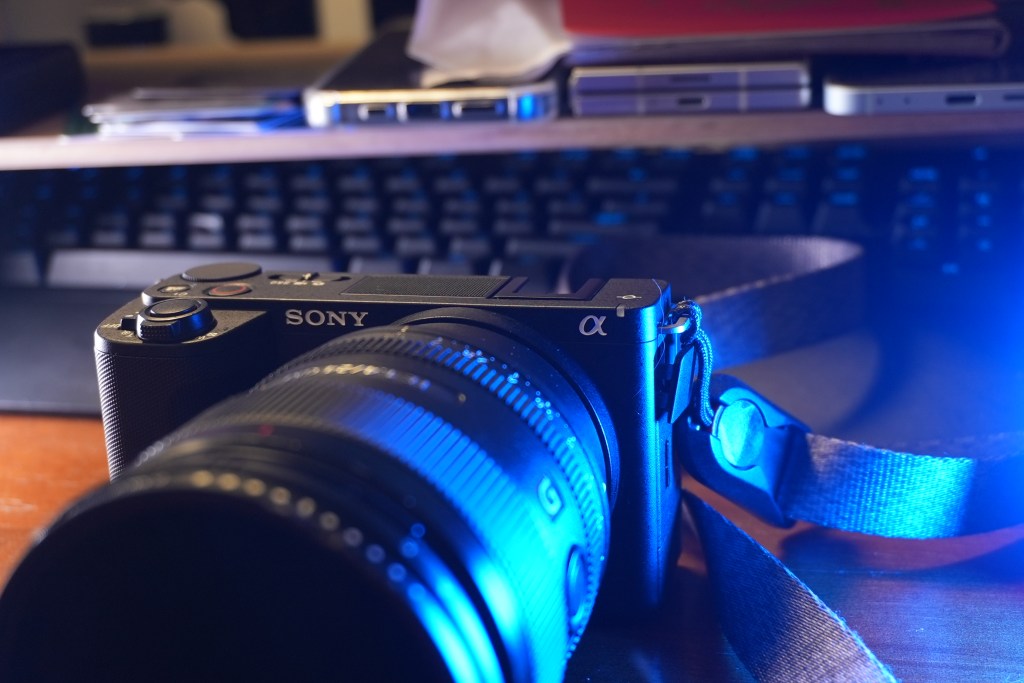
A new addition that stands out is the front-facing LED recording indicator, similar to what’s found on the ZV-E1. It’s a simple feature but a game-changer for vloggers, letting you confirm at a glance whether you’re recording—a relief during spontaneous shooting moments.

The newly introduced mode switch, allowing seamless toggling between stills, video, and S&Q (slow & quick) modes, is another thoughtful touch. It’s an improvement I didn’t realize I needed, making it much easier to switch modes on the fly compared to cameras like the FX3, which lacks a dedicated switch.
Performance: The New Sensor and Kit Lens
Now, let’s talk about the star of the show—the sensor. The ZV-E10 II uses a newly updated APS-C sensor that’s the same as the one found in Sony’s FX30, part of their cinema line. According to Sony, this sensor features advanced color reproduction and sensitivity, delivering sharper images and crisper 4K footage than the previous ZV-E10. The new sensor enables the ZV-E10 II to capture 4K video at 60fps with 4:2:2 10-bit in S-Log3.Cine, which is impressive for a camera in this price range. For creators looking for a lightweight yet powerful setup, this new sensor is the highlight, offering rich detail and dynamic range in a compact form.
Paired with the kit lens—Sony’s 16-50mm f/3.5-5.6 OSS—the ZV-E10 II makes for a versatile entry-level setup. The lens provides optical image stabilization and a flexible zoom range, making it suitable for everything from wide-angle shots to close-ups. It’s an ideal starting point for creators, though the camera truly shines when you swap in a faster prime lens.
Enhanced Autofocus and AI Capabilities
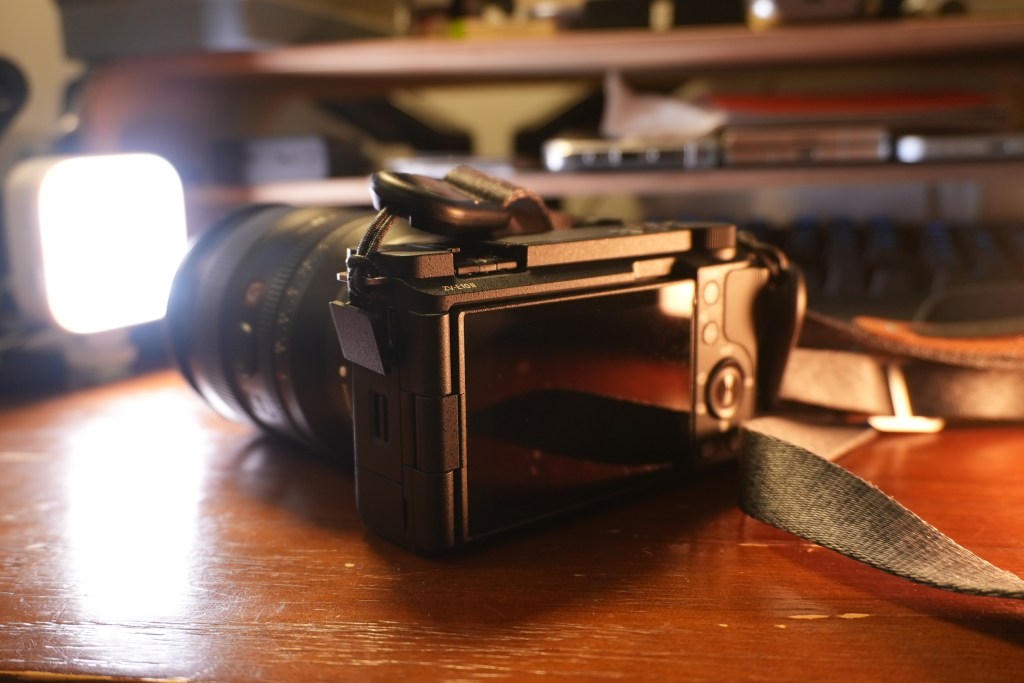
Sony’s upgraded AI algorithm is present in this model, promising better subject detection for humans, birds, and pets. While it’s not as extensive as the ZV-E1’s ability to also recognize trains, cars, and planes, it’s still a step up from the original ZV-E10. To be honest, I wasn’t initially impressed by this new AI autofocus. However, after using it in real-world scenarios, I was pleasantly surprised by its improved consistency and accuracy, especially when tracking moving subjects. It’s not groundbreaking, but it’s a welcome refinement.
Overall Thoughts: The New Entry-Level Champion

My excitement for the ZV-E10 II was well-founded. It’s not just a minor refresh but a substantial upgrade in many ways. The new sensor, improved battery life, and thoughtfully added features make it a strong contender in the entry-level space. Using it with my 24mm GM lens, I was able to capture footage that was crisp, vibrant, and full of life, elevating what you can achieve with this compact setup.
Priced at a relatively modest SGD 1,500, the ZV-E10 II is set to be a game-changer for aspiring vloggers and content creators. It combines portability with powerful features that rival more expensive cameras, making it a new go-to choice for those looking to up their content game without breaking the bank.
P. S.
A quick comparison photo between the E1 and E10 II:



 eat drive tech
Leave a comment